
Planning a Muslim Wedding Photography Atlanta package can feel a little overwhelming when you are trying to balance family traditions, tight event timelines, and big guest lists. You might be wondering: Will my photographer understand how a Nikah works? What if the men and women are seated separately? And how on earth do we fit couple portraits in between prayers, outfit changes, and Atlanta traffic?
Take a deep breath. Whether you are hosting a lively South Asian Shaadi, an elegant Arab Zaffe, or a fusion celebration in Buckhead or Duluth, capturing every sacred and joyful moment is completely doable when you have the right game plan. Let’s grab a virtual cup of coffee and walk through everything you need to know about documenting your Nikah, Walima, and Reception in the ATL.
Why Cultural Familiarity Matters for Muslim Wedding Photography Atlanta
Every wedding has emotional moments, but Islamic weddings move to their own unique rhythm. A photographer who only shoots standard Western weddings might miss the quiet significance of the Qubool Hai (acceptance) or accidentally step into a restricted prayer area.
When looking for Atlanta Muslim wedding photographers, cultural fluency isn’t just a nice bonus—it is a must-have. Here is why:
- Respecting Modesty and Segregated Spaces: Many Muslim weddings feature separate seating for men and women, or brides who prefer not to be photographed without their hijab by male vendors. An experienced team will easily provide female wedding photographers for the women’s side or bridal getting-ready suite.
- Navigating Prayer Breaks: Events naturally pause for Dhuhr, Asr, or Maghrib prayers. A seasoned photographer knows how to use these breaks to capture quiet architectural shots, décor details, or quick family groupings without rushing anyone.
- Handling Late-Night Timelines: Let’s be honest—Desi and Arab weddings rarely start on the dot! You need a team that stays patient, keeps the energy positive, and knows how to light a ballroom beautifully at 11:00 PM.
A Quick Story from the Field: At a recent autumn Nikah in Norcross, the floral partition (the pardah) between the bride and groom was so tall that a standard camera angle would have completely blocked the groom’s face during the signing. Because the photography team knew the exact sequence of the ceremony, they positioned a second shooter behind the floral screen ahead of time—capturing both the bride’s teary-eyed “Qubool” and the groom’s huge smile in the exact same second.
Capturing the Nikah: Sacred Moments & Quiet Emotion
The Nikah ceremony is the heart of your marriage, whether it happens at a local mosque like Al-Farooq Masjid in Midtown or inside a grand hotel ballroom. Because it is deeply spiritual, the photography approach here should feel respectful, unobtrusive, and storytelling-focused.
Must-Have Nikah Photo Moments
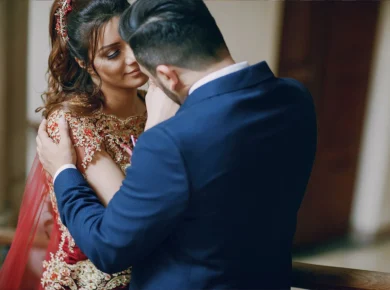
- The Partition & Veil Details: Close-ups of intricate mehndi (henna), embroidered dupattas, or the delicate floral screen separating the couple before the contract is signed.
- The Official Signing: The Imam reciting the Khutbah, the witnesses signing the Nikah Nama, and the emotional moment the bride and groom give their consent.
- The First Look & Rukhstati: If you are doing a mirror reveal (Aarsi Mushaf) after the Nikah, make sure your photographer clears a small circle of space so aunts and cousins with smartphones don’t accidentally block the lens.
- The Emotional Farewell (Rukhsati): Those raw, unscripted hugs with parents and siblings as the bride prepares to leave—keep tissues handy, because these end up being the most cherished photos in your album.
The Reception & Walima: High Energy, Grand Entrances & Portraits
Once the official marriage contract is signed, the celebration shifts into high gear! While the wedding reception (often hosted by the bride’s family or jointly) and the Walima (hosted by the groom’s family) share a festive vibe, they have slightly different pacing for photos.
Tips for Nailing Your Reception & Walima Photos
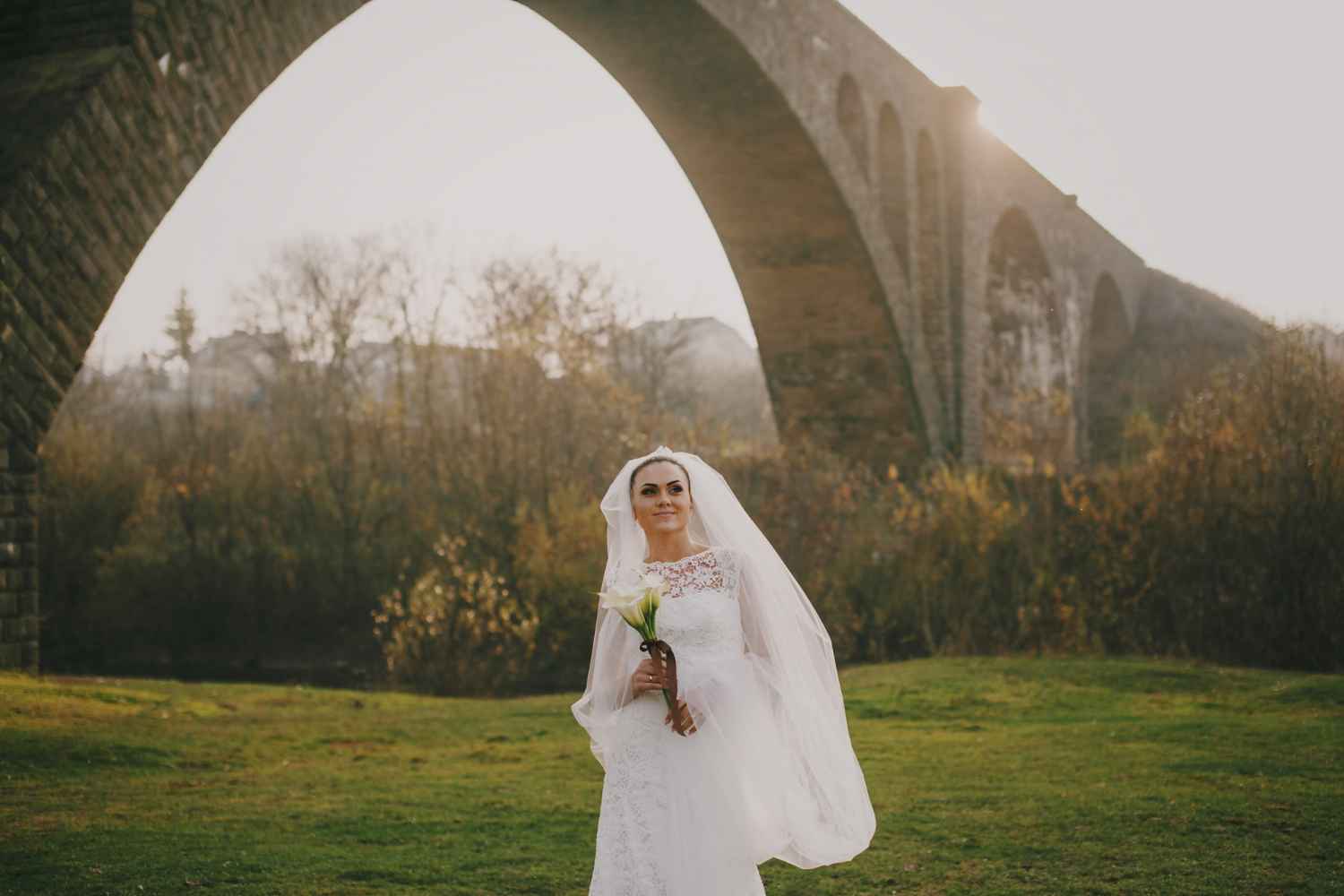
- Plan Your Couple Portraits Before Doors Open: Atlanta venues like the Fox Theatre, Biltmore Ballrooms, or Chateau Elan offer stunning backdrops, but once 400 guests arrive, sneaking away is tough. Schedule 30 to 45 minutes for golden-hour portraits right before the cocktail hour or grand entrance.
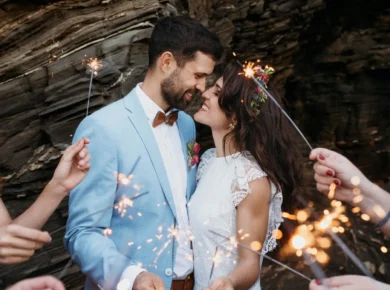
- Prep for High-Energy Entrances: Whether you are entering to a traditional Zaffe drumline, Dhol players, or cold sparklers, tell your photographer your exact entry path so they can set up off-camera lighting to freeze the action.
- Streamline Your Stage Family Photos: Stage portraits can easily eat up an hour if they aren’t organized. Assign one outgoing cousin or sibling from each side with a printed list to call families up in groups.
- Capture the Little Cultural Touches: Don’t forget shots of the Joota Chupai (shoe-hiding games), Doodh Pilai, guests tossing rose petals, and the late-night chai or knafeh table.
Practical Tips for Booking Atlanta Muslim Wedding Photographers
Ready to start reaching out to vendors? Keep these simple, real-world tips in mind while comparing packages across Metro Atlanta:
- Ask to See Full Galleries, Not Just Highlights: Anyone can post 20 great outdoor sunset photos on Instagram. Ask to view a full indoor ballroom Nikah and a dimly lit reception to see how they handle harsh hotel lighting and rich, colorful outfits.
- Confirm Dual-Gender Coverage Early: If you need a female photographer and female videographer for segregated events or bridal prep, lock them in 9 to 12 months ahead—they book up fast during peak spring and fall Atlanta wedding seasons.
- Buffer for Atlanta Traffic: If your Nikah is at a mosque in Lawrenceville and your portraits are at Piedmont Park, build at least an extra 30 minutes into your timeline for I-85 or I-285 delays.
- Bundle Photo and Video Together: Multi-day events run much smoother when your photographers and cinematographers already know each other’s workflow and aren’t fighting for the same angle during the Dua (closing prayer).
Frequently Asked Questions (FAQs)
Do you offer female-only photography teams for segregated Muslim weddings?
Yes! Most experienced Muslim wedding photographers in Atlanta offer all-female photography and videography teams upon request. This ensures complete comfort and privacy during bridal dressing, mehndi nights, and women-only reception halls.
How many hours of coverage do we need for a Nikah and Walima?
Because Muslim weddings often span multiple days—including a Mehndi or Henna night, the Nikah, and the Walima—most couples book multi-day packages totaling 16 to 24 hours of coverage. If your Nikah and Reception happen on the same day, plan for at least 10 to 12 hours.
Can we take couple portraits at popular Atlanta landmarks between events?
Absolutely. Spots like Piedmont Park, the Atlanta Botanical Garden, and the Swan House are favorites for bridal portraits. Just remember that several iconic Atlanta locations require photography permits booked a few weeks in advance.
What happens if our event runs behind schedule?
A good wedding photography team expects a little flexibility on multi-event days. Discuss overtime rates upfront in your contract so you aren’t stressed if dinner starts late or speeches run long.
Your wedding days will fly by in a blur of laughter, prayers, hugs, and dancing—having the right team behind the lens ensures you can relive every single emotion for decades to come with the best Muslim Wedding Photography Atlanta has to offer.