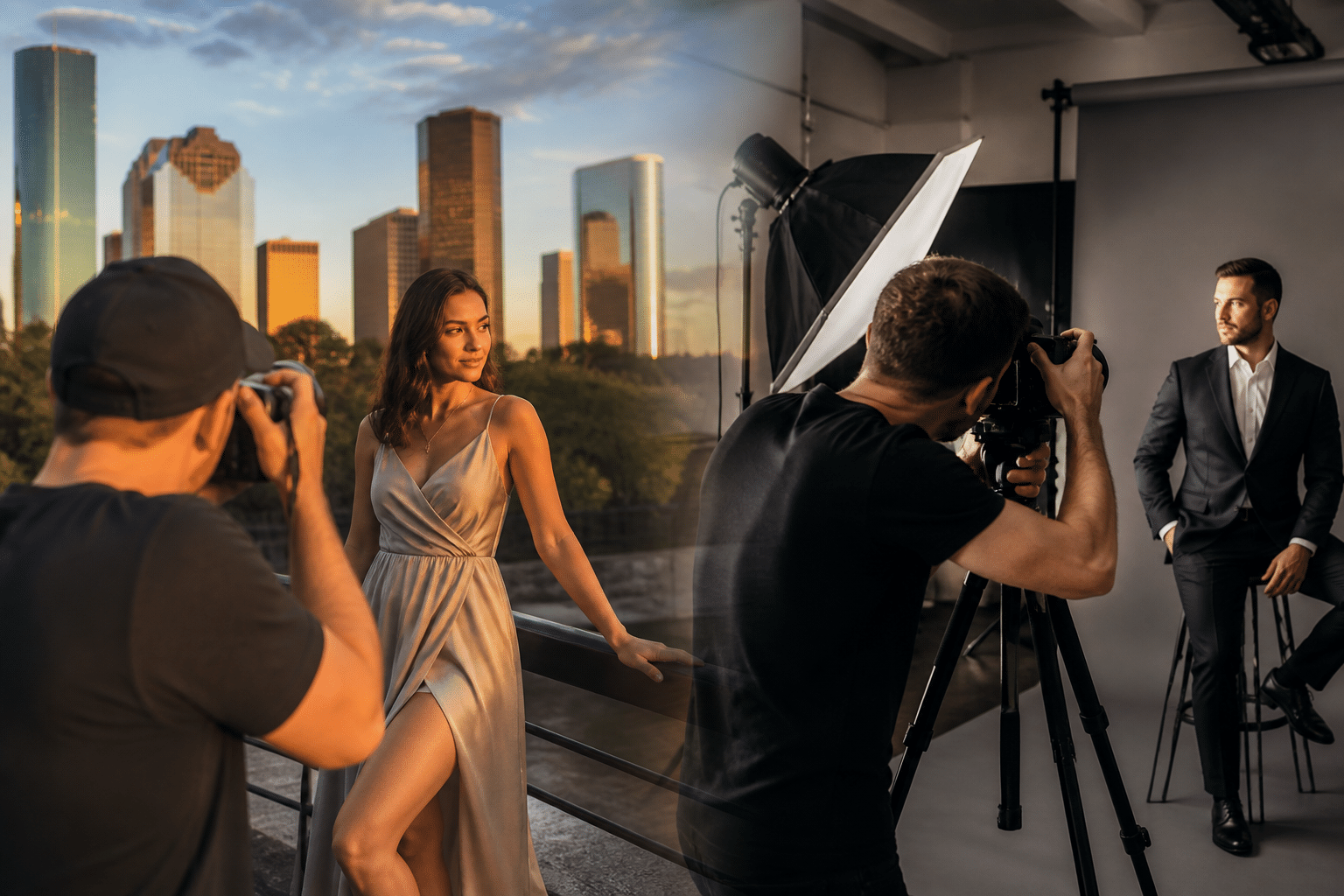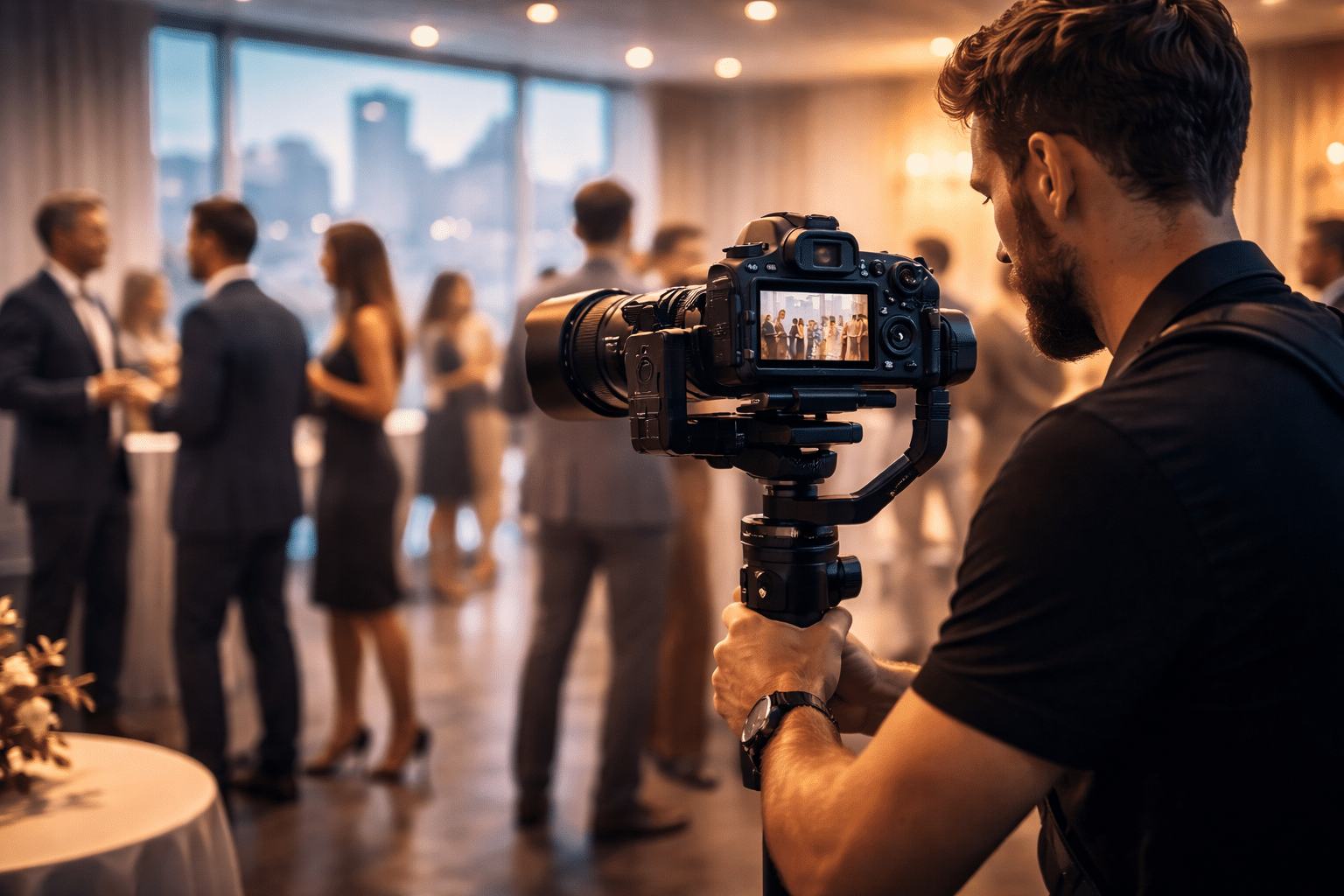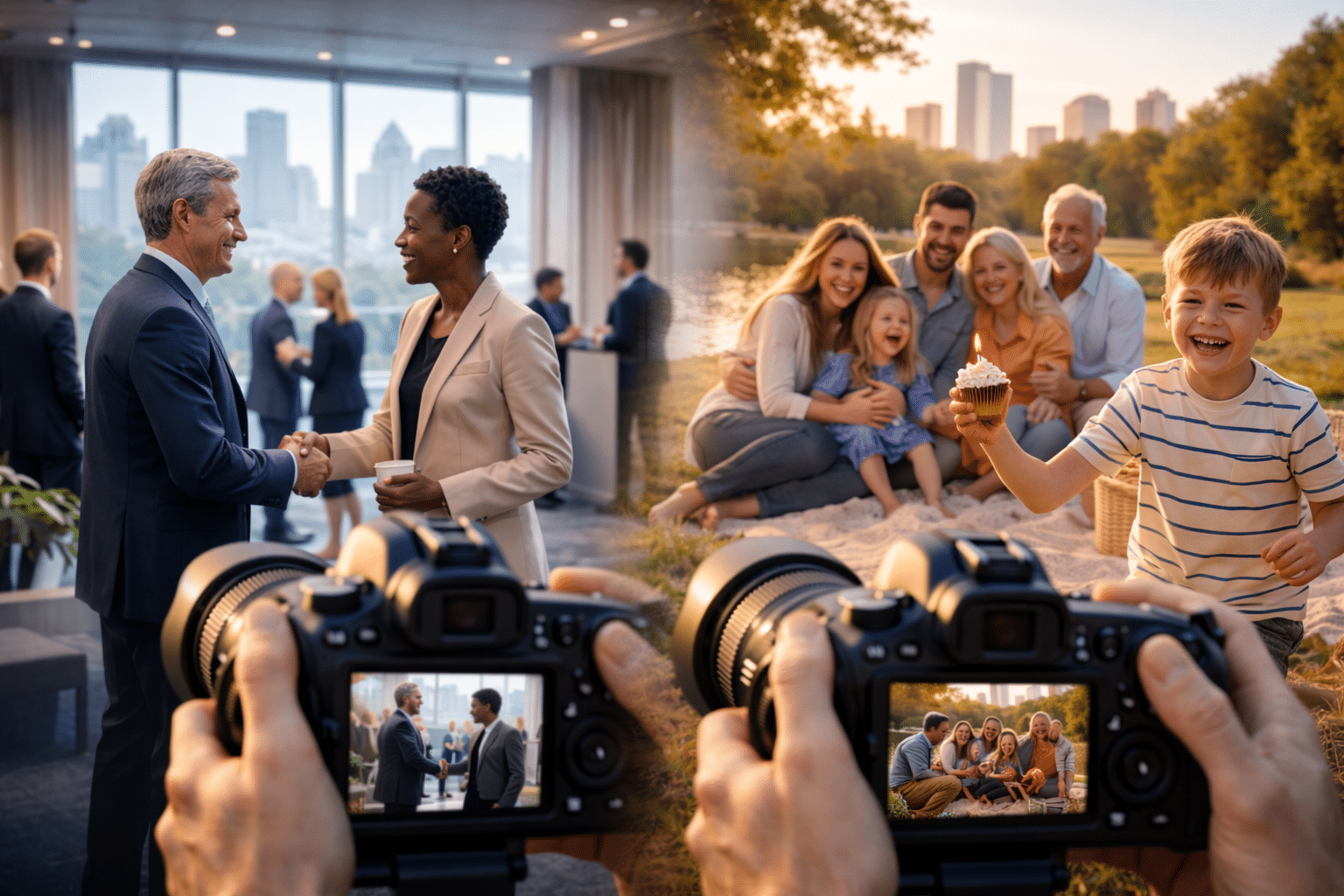
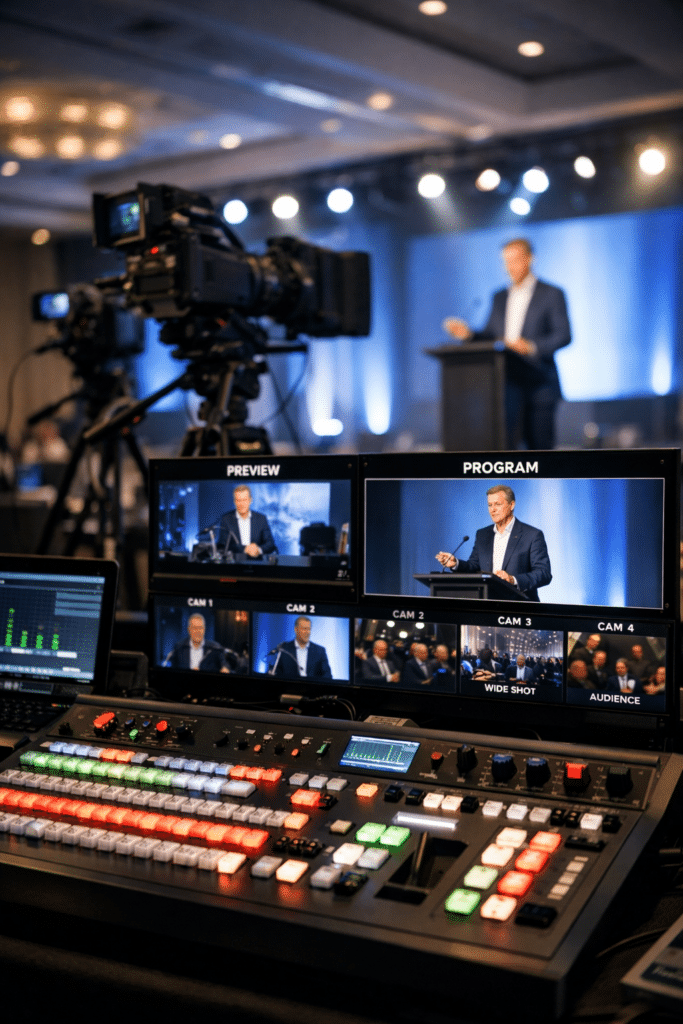
The landscape of digital communication has shifted significantly over the last few years. While a basic webcam might suffice for a quick internal call, high-stakes events now require a much more sophisticated approach. Multi camera live streaming has emerged as the gold standard for organizations looking to bridge the gap between physical venues and digital audiences. By utilizing multiple angles and perspectives, this technology recreates the energy of an in-person experience for viewers sitting behind a screen.
When exploring the logistics of a major broadcast, the role of a live event production company becomes essential. These specialists manage the complex interplay between audio feeds, visual transitions, and internet stability. The goal of professional event streaming is not just to “show” an event, but to curate a narrative that keeps the audience focused on the message without being distracted by technical limitations or static imagery.
Why the Industry is Moving Toward Multi Camera Live Streaming
The primary reason for adopting a multi-angle setup is psychological engagement. Humans are naturally wired to respond to movement and changes in perspective. In a broadcast environment, switching from a wide shot of the stage to a tight shot of a speaker’s expression helps maintain “visual momentum.” This prevents viewer fatigue, which is a common issue in single-camera streams where the lack of variety leads to high drop-off rates.
The Practical Benefits of Professional Event Streaming
Transitioning to a high-tier production setup offers several objective advantages for any organization:
-
Visual Storytelling: Multiple angles allow the director to highlight what is most important at any given moment, such as a detailed product shot or a speaker’s reaction.
-
Redundancy: In a professional environment, having multiple cameras provides a safety net. If one camera fails, the stream continues seamlessly from another angle.
-
Brand Authority: Utilizing high-quality corporate live video streaming reflects a level of detail and quality that resonates with stakeholders and clients alike.
Enhancing Corporate Event Streaming Success
In a business context, corporate event streaming serves as a vital tool for transparency and global reach. Whether it is a shareholder meeting or a national conference, the technical execution must be flawless. Clear audio, synchronized slides, and high-definition video feeds are no longer “extras”—they are expected. This level of production ensures that the focus remains entirely on the content of the presentation.
Bridging the Gap with Hybrid Event Production
The rise of the “borderless” workforce has made hybrid event production a necessity. A hybrid model company ensures that both the physical attendees and the virtual audience receive an equally immersive experience. By integrating real-time Q&A sessions and interactive polls into the stream, the digital audience is transformed from passive observers into active participants, regardless of their geographic location.
Frequently Asked Questions
1. What exactly is multi camera live streaming?
It is the process of using several cameras to capture an event from different angles, which are then mixed in real-time by a technical director to create a dynamic, broadcast-style video feed.
2. How does hybrid event production benefit remote teams?
Hybrid production ensures that remote employees or viewers have the same access to high-quality visuals and interactive elements as those physically present, fostering a sense of inclusion and engagement.
3. What equipment is typically used in corporate live video streaming?
A standard setup usually includes 4K cameras, a vision mixer (switcher), professional-grade microphones, encoding hardware for a stable internet feed, and specialized lighting.
4. Why is a live event production company necessary for large events?
Production companies provide the technical expertise, equipment, and on-site staff required to manage signal switching, audio balancing, and troubleshooting, ensuring the stream does not fail during critical moments.
5. Can multi camera setups be used for small-scale presentations?
Yes. Even a two-camera setup (one for the speaker and one for the presentation/slides) can significantly improve the quality and professionalism of a small-scale stream compared to a single laptop camera.